






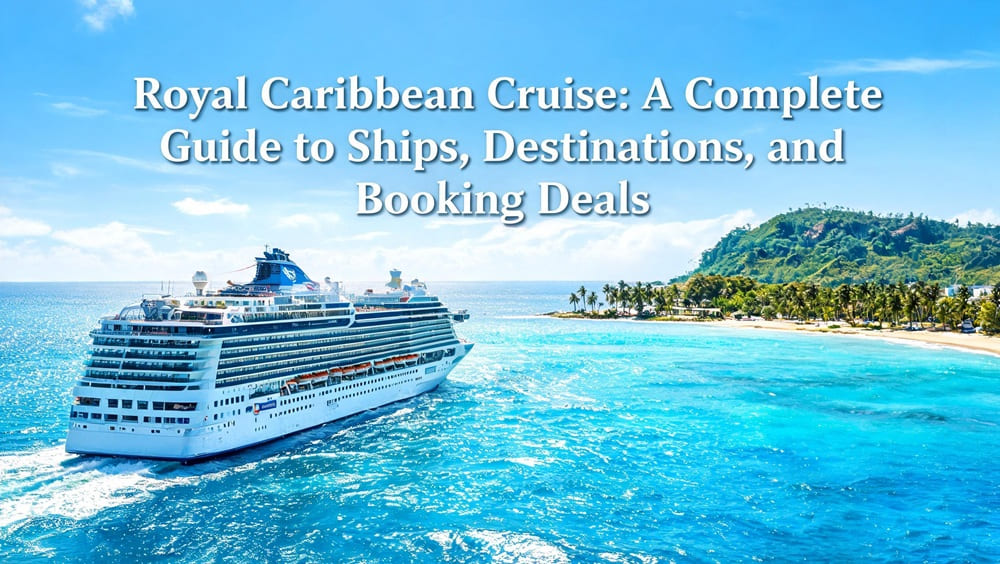
Royal Caribbean has spent more than five decades building a reputation as one of the most innovative names in modern cruising, and in 2026 its fleet includes some of the largest and most technologically advanced ships ever put to sea. Whether you’re drawn to the record-breaking waterparks of the Icon Class or a shorter, budget-friendly getaway to the Bahamas, understanding how the line is structured, which ships fit your travel style, and how to time your booking can make a real difference in both price and experience.
A Brief History of Royal Caribbean
Royal Caribbean International was founded in 1968 by a group of Norwegian shipping companies and put its first ship, Song of Norway, into service in 1970. Headquartered in Miami, Florida, the line has grown into one of the largest cruise operators in the world by passenger volume, and it has held the title of operating the largest cruise ship in the world continuously since 2006. As of 2026, Royal Caribbean International operates around 30 ships across seven distinct classes, ranging from the newly launched Icon Class down to smaller, longer-serving ships still sailing shorter regional itineraries.
Understanding Royal Caribbean’s Ship Classes
Not all Royal Caribbean ships are built for the same kind of trip, and knowing the difference between classes helps set the right expectations before you book.
The Icon Class represents the line’s newest and largest ships, led by Icon of the Seas and its sister ship Star of the Seas. These vessels are built around distinct onboard neighborhoods, record-setting waterparks, and immersive entertainment venues, making them best suited to families and travelers who want a resort-style experience with as much to do onboard as at any port of call.
The Oasis Class, which includes ships like Symphony of the Seas, Wonder of the Seas, Allure of the Seas, and Utopia of the Seas, pioneered many of the neighborhood-style concepts the Icon Class has since expanded on, including Central Park’s living greenery and the Boardwalk’s carnival-style attractions. These ships remain some of the most popular in the fleet for Caribbean sailings.
Smaller and older classes, including the Radiance, Vision, and Voyager classes, tend to serve less crowded itineraries such as Alaska, the Mediterranean, or shorter regional Caribbean routes. These ships generally offer a more traditional cruise ship feel, with fewer mega-attractions but often more intimate onboard dining and lounge spaces.
Popular Destinations and Itineraries
Royal Caribbean sails to destinations across nearly every major cruising region in the world, with itineraries departing from ports including Miami, Port Canaveral, Galveston, San Pedro, Barcelona, and Amsterdam, among many others. The Caribbean remains the line’s most heavily sailed region, with itineraries ranging from short three- and four-night getaways to the Bahamas out of Miami to longer seven-night Eastern and Western Caribbean routes. Alaska cruises, typically sailing round-trip from Vancouver or one-way between Vancouver and Seward, are especially popular during the May through September season for glacier viewing and wildlife excursions. Mediterranean itineraries departing from ports like Barcelona and Rome give travelers access to Southern Europe’s coastal cities, while Hawaii sailings, often departing from Honolulu, offer inter-island itineraries that are otherwise difficult to piece together without a cruise.
What to Expect Onboard
Royal Caribbean has built much of its modern identity around onboard entertainment and dining variety. Depending on the ship, guests can expect Broadway-style musical productions, ice-skating shows, and AquaTheater diving performances, along with more casual entertainment like comedy clubs and DJ-driven pool deck parties. Specialty dining venues covering Italian, Japanese, and steakhouse cuisine sit alongside more casual buffet and main dining room options, giving travelers a range of price points and experiences within a single cruise. Family-focused ships also offer supervised youth programs by age group, from toddler activities to dedicated teen lounges, which can be a meaningful factor for parents comparing which ship and itinerary best fits their family.
How to Find the Best Royal Caribbean Deals
Cruise pricing fluctuates based on season, itinerary length, cabin category, and how far in advance you book, so a few consistent habits tend to produce the best value. Booking six to twelve months ahead of a sailing, particularly for popular itineraries like Alaska or peak-season Caribbean routes, generally secures both better pricing and a wider choice of cabin categories before the best options sell out. Alternatively, last-minute bookings within 30 to 60 days of departure can sometimes yield steep discounts on unsold cabins, though this approach comes with less flexibility on cabin location and itinerary choice.
Many current Royal Caribbean promotions bundle instant fare discounts with added perks such as free gratuities, onboard credit, or reduced pricing for a second guest in the cabin, so comparing the total value of a deal, not just the base fare, is important when weighing offers. Booking during Royal Caribbean’s periodic sales events, or through a travel agent who has access to group rates and cabin holds, can also add meaningful savings on top of the line’s standard promotional pricing.
Choosing the Right Cabin Category
Cabin type significantly affects both price and experience. Interior cabins are the most budget-friendly option and suit travelers who plan to spend most of their time exploring the ship and its excursions rather than relaxing in their room. Oceanview and balcony cabins add natural light and private outdoor space at a moderate price increase, while suite categories offer additional perks like priority boarding, exclusive lounges, and larger living spaces, which can be worthwhile for milestone trips or larger family groups traveling together.
Final Thoughts
Royal Caribbean’s combination of scale, onboard innovation, and itinerary variety makes it one of the most flexible cruise lines for travelers with very different priorities, whether that means chasing glaciers in Alaska, spending a long weekend in the Bahamas, or exploring the record-breaking attractions aboard an Icon-Class ship. Understanding which ship class fits your travel style, booking with enough lead time to access the best pricing and cabin selection, and comparing the full value of promotional perks rather than just the headline fare are the simplest ways to turn a Royal Caribbean cruise into both a memorable trip and a smart use of your travel budget.