






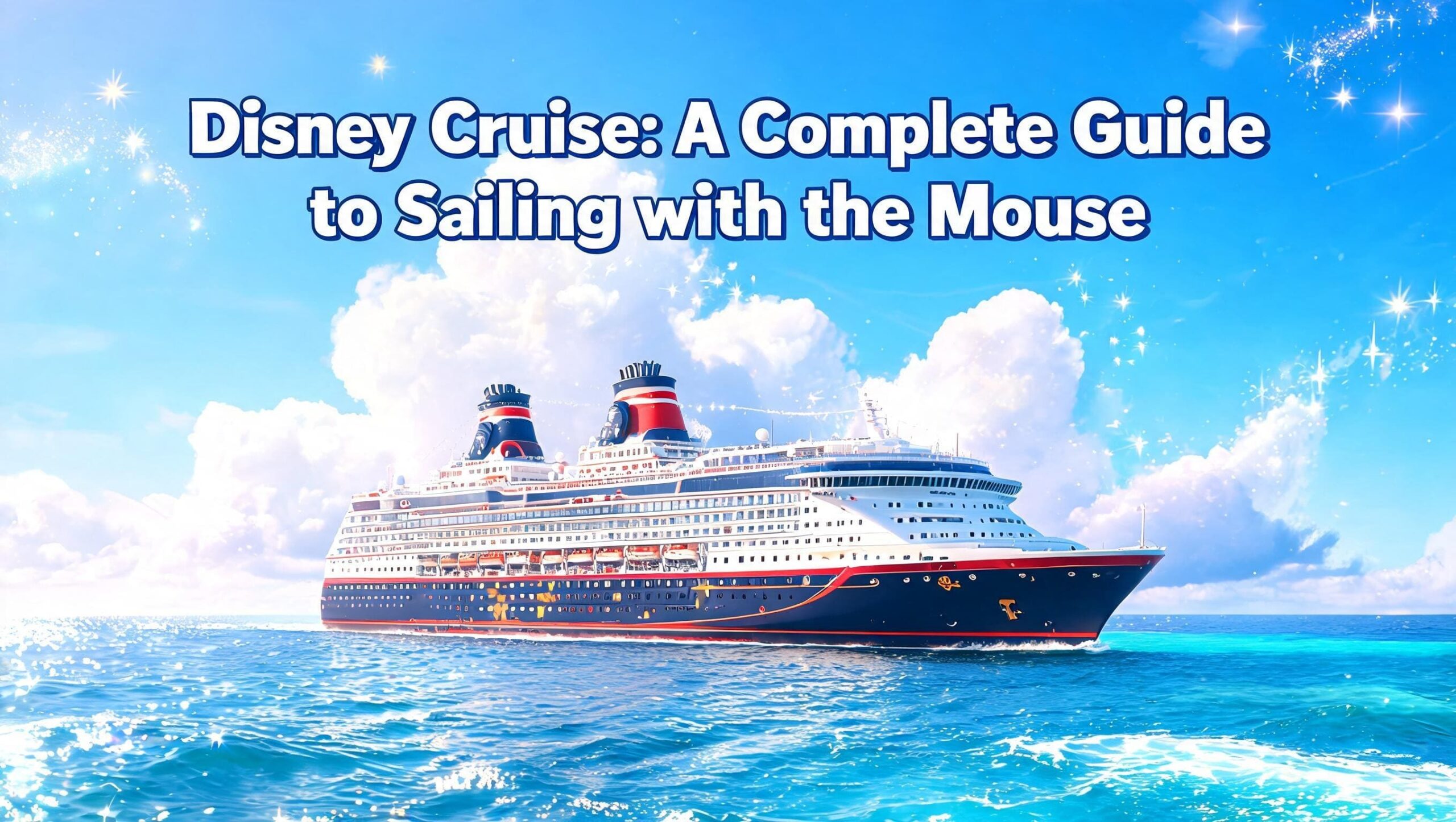
Disney Cruise Line has carved out a unique niche in the cruise industry by combining the storytelling and theming Disney is famous for with genuinely high production-value entertainment, thoughtful family logistics, and destinations that range from the Caribbean to Alaska and beyond. It’s not just a cruise with cartoon characters painted on the hull — it’s a fully realised vacation concept built around families, but with enough polish and adult-oriented spaces to appeal to couples and solo Disney fans as well.
This guide breaks down what makes a Disney Cruise worth the investment, from the ships and destinations to dining, entertainment, and planning tips to help first-timers navigate the booking process.
The Fleet: Ships Worth Knowing
Disney’s fleet has grown steadily over the years, with each new ship raising the bar on design and onboard experiences.
Disney Wish & Disney Treasure
The newest ships in the fleet, Disney Wish and its sister ship Disney Treasure, are the line’s most ambitious yet. Disney Wish features an interactive AquaMouse water ride themed around Donald Duck, a two-level entertainment venue for immersive dinner shows, and a dedicated concierge-level experience for suite guests. Disney Treasure follows a similar layout with its own thematic twists inspired by Disney and Pixar adventure films.
Disney Fantasy & Disney Dream
These mid-generation ships introduced features like the AquaDuck water coaster and BBQ Beach & Pool areas, along with expansive spa and adults-only zones. They remain popular for their balance of size, amenities, and slightly more affordable pricing compared to the newest vessels.
Disney Magic & Disney Wonder
The original ships in the fleet, Disney Magic and Disney Wonder, carry a more classic ocean-liner aesthetic with Art Deco styling. They tend to sail shorter itineraries and are a good entry point for families wanting a taste of Disney cruising without committing to a longer voyage.
Top Destinations to Explore
Disney Cruise Line itineraries span a wide range of regions, so there’s flexibility depending on how much time and budget you have:
- Bahamas & Castaway Cay — Disney’s private island, exclusive to its guests, with beaches, cabanas, and a dedicated kids’ snorkeling lagoon
- Caribbean — longer sailings visiting islands like St. Thomas, St. Maarten, and Grand Cayman
- Alaska — glacier viewing and wildlife-focused itineraries, typically sailing in summer months
- Mediterranean & Northern Europe — seasonal sailings covering historic ports across Europe
- Disney Cruise Line also occasionally offers special sailings to Hawaii and the Panama Canal
Castaway Cay deserves special mention — Disney’s private Bahamian island is consistently rated as one of the highlights of any Caribbean or Bahamas sailing, with dedicated areas for families, adults, and even a bike trail around the island.
Dining Onboard: More Than Just Character Meals
Disney’s signature dining format is ‘rotational dining,’ where your family moves between a few main themed restaurants across the cruise while keeping the same servers each night, who get to know your preferences. Restaurants like Animator’s Palate come alive with interactive animation and lighting effects during the meal, while Palo and Remy offer adults-only, reservation-only fine dining for a quieter, upscale evening away from the kids’ menu. Character dining experiences, where Mickey, Minnie, and friends make appearances tableside, remain a major draw for younger cruisers.
Entertainment and Onboard Activities
Evening entertainment centers on Broadway-caliber stage shows based on Disney and Pixar stories, performed in large theaters with elaborate sets and effects. Beyond the main shows, ships feature movie screenings (including first-run Disney titles), deck parties, fireworks at sea on select sailings, and youth clubs organised by age group — from nurseries for infants to teen-only lounges with their own entertainment separate from the family areas.
Adults aren’t left out either: most ships include adults-only pools, lounges, and spa facilities, along with a nightlife district featuring bars and clubs that stay lively after the kids have gone to bed.
Choosing the Right Stateroom
Disney offers several stateroom categories to suit different budgets and family sizes:
- Inside Staterooms — some feature ‘virtual portholes’ with real-time ship camera feeds, a nice touch for windowless rooms
- Oceanview Staterooms — a real window or porthole without private outdoor space
- Verandah Staterooms — private balconies, ideal for scenic itineraries like Alaska
- Concierge & Suites — access to a private lounge, dedicated concierge staff, and priority boarding and dining reservations
Tips for Planning Your Disney Cruise
- Book dining reservations and onboard activities as early as your booking window allows, since popular slots fill up fast
- Pack for a ‘fish extender’ gift exchange if you want to join a fun, optional Disney cruising tradition with other cabins
- Consider shoulder-season sailings for smaller crowds and typically better pricing than summer and holiday weeks
- Check what’s included versus extra-cost items, since specialty dining, spa treatments, and Wi-Fi are usually separate from the base fare
- If travelling with young kids, look into the ship’s nursery availability and book early, as spots are limited
Final Thoughts
A Disney Cruise is built around the idea that a family vacation shouldn’t mean compromise — kids get character encounters, water slides, and youth clubs, while adults get quiet adults-only decks, fine dining, and genuinely impressive stage entertainment. Whether you’re sailing a quick three-night trip to Castaway Cay or a longer Mediterranean voyage, the consistency of theming and service is what keeps so many families coming back.Before booking, compare ships, itineraries, and stateroom categories against your family’s priorities — whether that’s water slides and character breakfasts, or a quiet balcony to watch Alaskan glaciers drift by. A bit of planning upfront makes all the difference in finding the sailing that fits your crew