






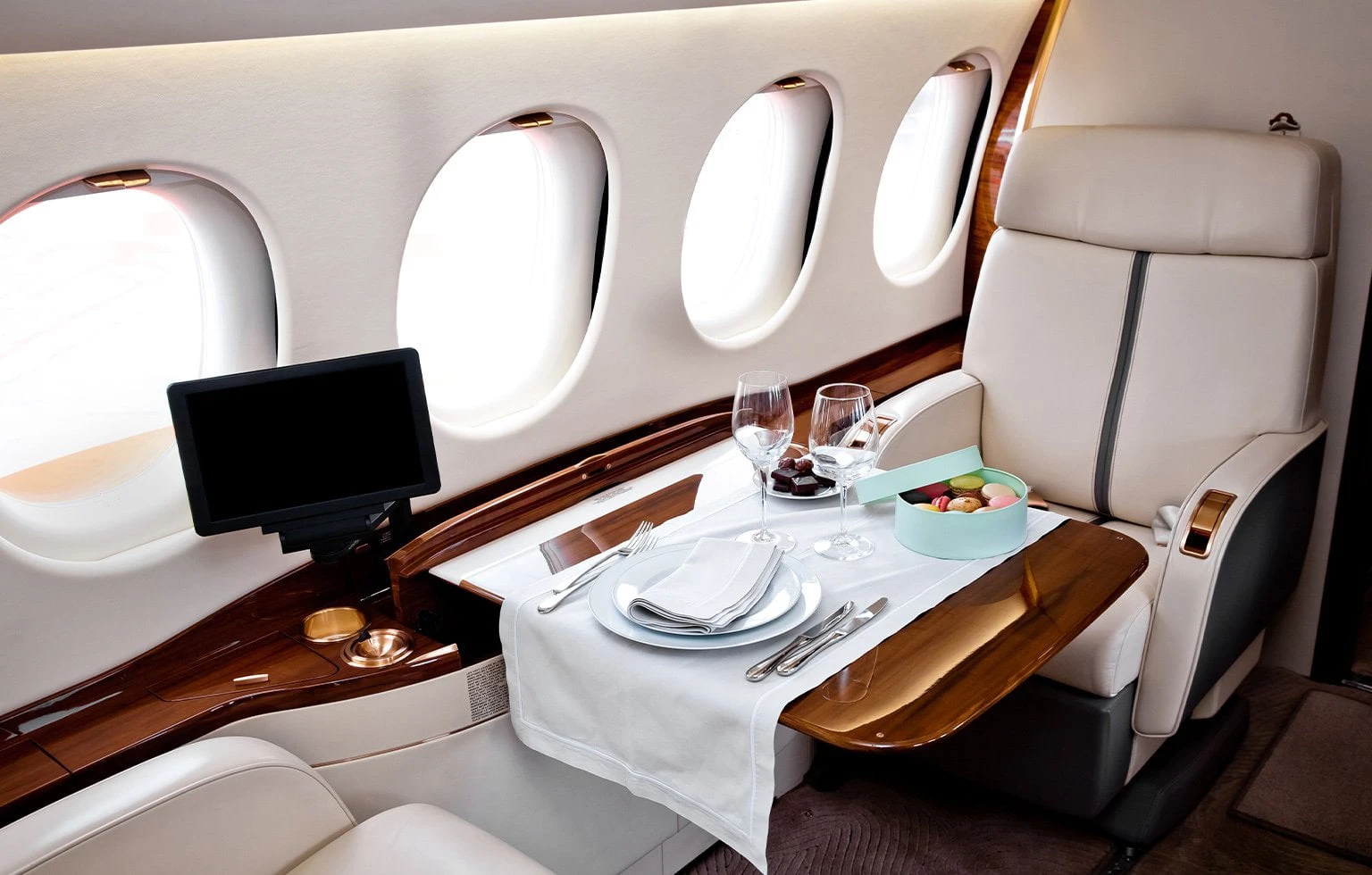
Two premium tiers, one big price gap. We break down every difference – from seats and sleep to lounges and loyalty points – so you can spend wisely.
Why This Comparison Matters
The gap between economy and business class used to be binary: suffer in coach or splurge up front. Premium economy changed that equation. Airlines like British Airways, Singapore Airlines, and Air France have built genuinely comfortable middle cabins – but they remain a very different product from true business class. The difference is more than seat width; it is an entirely different travel philosophy.
This guide is based on firsthand reviews, airline specifications, and fare data across major international routes. We cover every dimension that matters: the hardware, the service, the food, and the true cost of each ticket.
The Seat: Where It All Starts
Premium economy seats are wider than economy (typically 18–19 inches vs 17 inches), recline more (up to 8 inches), and include a legrest or footrest. That is real comfort – especially on a 7-hour transatlantic flight.
But business class seats are in a different league. Most long-haul carriers now offer lie-flat beds – fully horizontal, 76–85 inches long, often with direct aisle access. On overnight flights, that is not a luxury; it is a functional difference between arriving rested and arriving wrecked.
| Feature | Business Class | Premium Economy |
| Seat width | 20–23 inches (varies) | 18–19 inches |
| Recline / bed | Lie-flat (76–85 inches) | Up to 8 in recline + legrest |
| Aisle access | Direct (1-2-1 on most) | Row-dependent |
| Privacy divider | Often included | Not available |
| Amenity kit | Full kit (skincare, pyjamas on some) | Basic kit |
Food & Drink: Airline Kitchens on Trial
Premium economy gets a step up from economy: better meals (usually two-course), real glassware, and in some cases complimentary wine. It is a noticeable improvement but still served on a single tray with limited personalisation.
Business class is where airlines genuinely compete. Singapore Airlines’ Book the Cook programme lets you pre-order from a restaurant-style menu. Cathay Pacific, Qatar, and Emirates all serve multi-course meals with fine wines curated by master sommeliers. On some carriers, you can dine on demand – eating when you choose rather than when cabin crew decide.
Airport Experience: Lounges & Priority
This is where premium economy travellers often feel the gap most acutely. Premium economy ticket holders get priority check-in and boarding at most airlines – but lounge access is almost universally reserved for business class passengers or elite-status holders.
Business class lounges are a significant part of the value proposition: dedicated shower rooms, à la carte dining, quiet workspaces, and spa treatments at certain airports. For a 3-hour pre-flight wait, the business lounge versus a crowded terminal is a dramatically different experience.
The Price Reality
On a London–New York route, a premium economy fare typically runs £800–£1,400 return. Business class on the same route? £3,000–£6,000+ at full fare – though savvy travellers often find redemptions or sales bringing it closer to £2,000. The multiplier is roughly 3–5× depending on airline and booking window.
Miles and points can radically change this equation. Business class award tickets often represent the highest-value redemption in frequent flyer programmes. If you are sitting on 70,000 points with a major alliance, a business class redemption may be the smartest use – beating premium economy on value per point.
Choose Business Class if…
- Your flight is 8+ hours and you need to sleep (especially overnight routes)
- You have a meeting, presentation, or high-stakes event immediately after landing
- You are redeeming miles or points – business class awards deliver the best cents per point
- Lounge access matters to you (long layovers, airport workdays)
- You travel frequently and benefit from the status acceleration
Choose Premium Economy if…
- You are travelling for leisure and the trip budget matters more than comfort
- Your flight is under 7 hours – the seat is perfectly comfortable for daytime flights
- Economy genuinely bothers you but business class feels extravagant
- You want a meaningful upgrade without sacrificing your holiday budget
- The savings would fund 3–4 extra nights at your destination
Final Word
There is no universally correct answer – but there is a correct answer for your trip. Business class is not a rounding error of comfort above premium economy; it is a categorically different experience, dominated by the flat bed and lounge ecosystem. Premium economy, meanwhile, is a genuinely good product that makes long flights bearable without mortgage-level spending.
The smartest travellers know one more thing: never pay full fare for business class. Use points, book sales, or travel during shoulder season – the seat is identical at half the price, and that is when the value calculation shifts firmly in its favour.